
When it comes to fashion, fit can make or break a brand. That’s why the garment measurement technical sheet is such a key part of any tech pack. Designers who master it can ensure garments fit perfectly, every time.
There are two main ways to create a measurement sheet: one based on body measurements, and the other on finished garment dimensions. While both approaches are common, top brands generally prefer working with body measurements to get the ideal fit.
A well-fitted garment not only flatters the wearer’s figure but also guarantees comfort and customer satisfaction. Before moving into mass production, having an accurate measurement sheet is essential.
This means preparing a detailed size chart based on a validated fit sample and grading it carefully. Any necessary adjustments should be made at this stage to ensure production runs smoothly and starts on a solid foundation.
Deciding whether to measure the garment or the body can be tricky, as each serves a different purpose:
Remember, every brand has its own standards. Comparing your measurements with other brands can help ensure consistency and accuracy.
Creating measurement charts and grading rules is not simple. They are essential to achieving a flawless fit in every size, but even small mistakes can affect the entire collection.
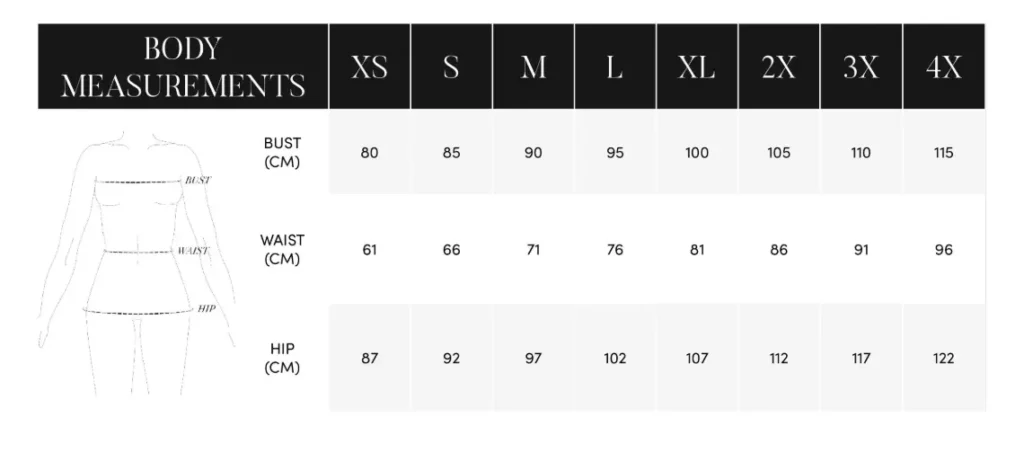
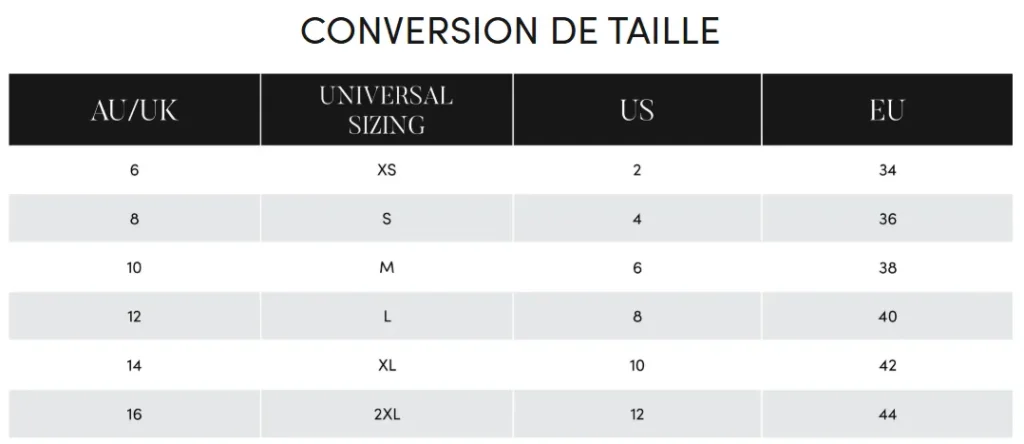
Measurement charts rely on exact figures. A tiny error or typo can lead to poorly fitting garments or distorted silhouettes.
The fashion industry uses standardized measuring points, but misunderstandings can happen. Always specify units (inches or centimeters) and clarify measurement points to avoid errors.
Sizing varies across regions — European, American, and British systems are all different. Make sure your grading rules align with your market’s expectations to deliver garments that truly fit your customers.
Miscommunication about grading rules can cause mistakes at the factory. Carefully reviewing prototypes and samples ensures early detection of fit issues. Clear alignment between buyer and manufacturer is crucial, and market research can help tailor your size range to your audience’s body types.
The measurement technical sheet is the backbone of your production process. Get it right, and your garments will fit like a dream — every single time.